False Nuclear Alerts Hit Ukrainian and Russian Warning Apps
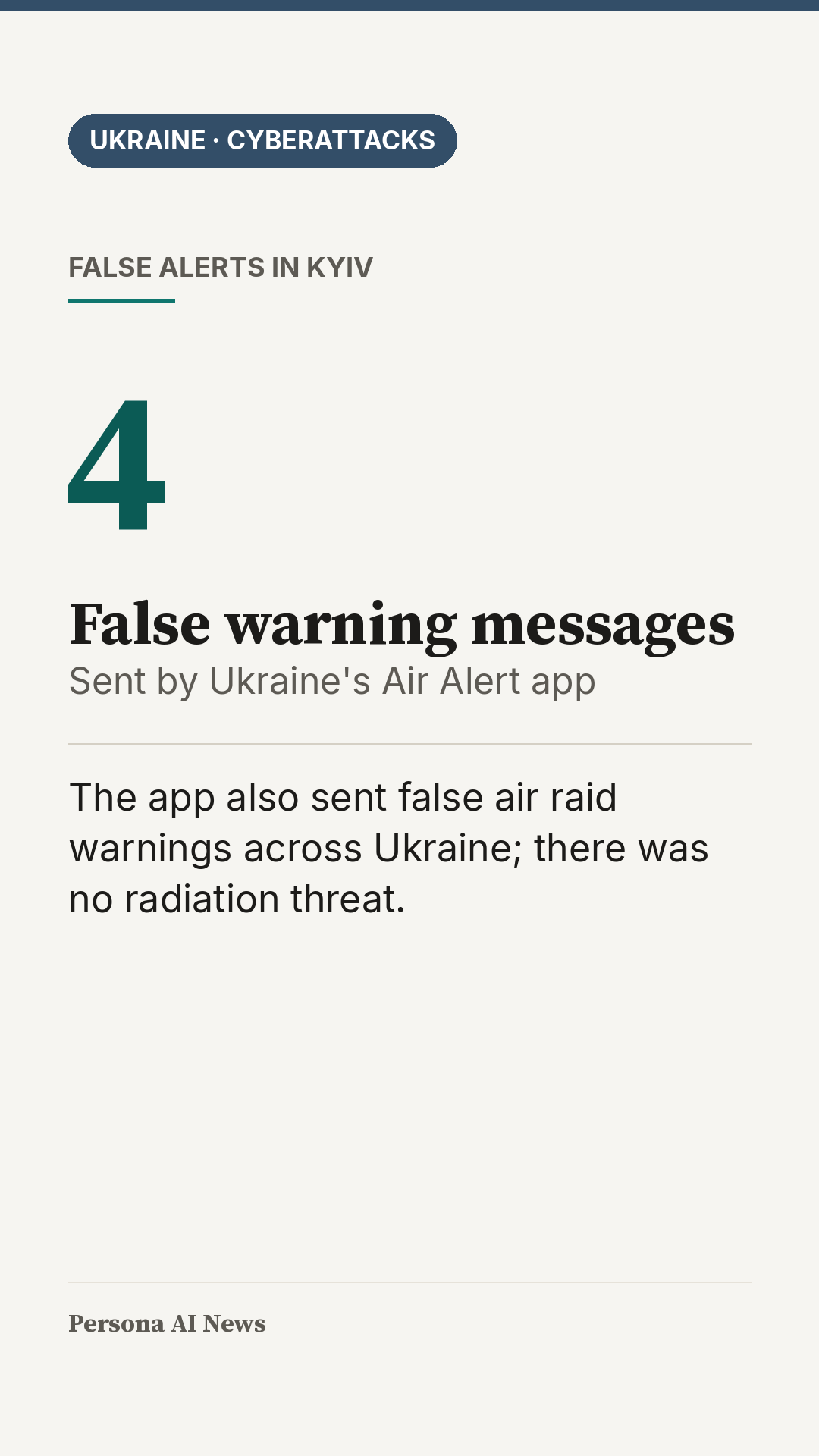
There was no radiation threat in Kyiv. Yet late on Sunday, as the BBC reported on 1 November, Ukraine's widely used Air Alert app sent false air raid warnings nationwide, and four false messages to some Kyiv residents warned of radiation, a chemical attack, street fighting and a nuclear alert. A few hours later, Russian authorities said their own alert app had been hacked.
The Kyiv messages arrived between 22:47 and 22:49 local time; all clear notices followed at 23:53. One, written in Russian, named Oreshnik, a Russian intermediate-range ballistic missile. In the Lviv region of western Ukraine, the alerts set off radiation signals on loudspeakers. The Ministry of Digital Transformation, which supports the app, temporarily disabled it for maintenance. Inside Russia, according to the Ukrainian news outlet UNN, citing the partisan group Atesh, fake nuclear warnings told users to stock up on food for three weeks.
Who carried out the attacks is unproven: Ukraine's ministry said only that its app had "apparently been compromised", and the claim about the content of Russia's fake warnings comes from a partisan group. The BBC report gives no number of affected users. In Ivano-Frankivsk region, in western Ukraine, a false air raid alert ran from 22:50 to 23:57.
Russia's emergencies ministry said specialists were still working to restore its app, which it called "only an additional, ancillary news service". The BBC report names no date for either repair. Ukraine's Centre for Countering Disinformation has set out what the public can do if the app is not working: phone notifications, sirens and official sources.
N8BMM · entry in the provenance register with fingerprint, signature and Content CredentialsThe cards of this story
from the video, click to enlarge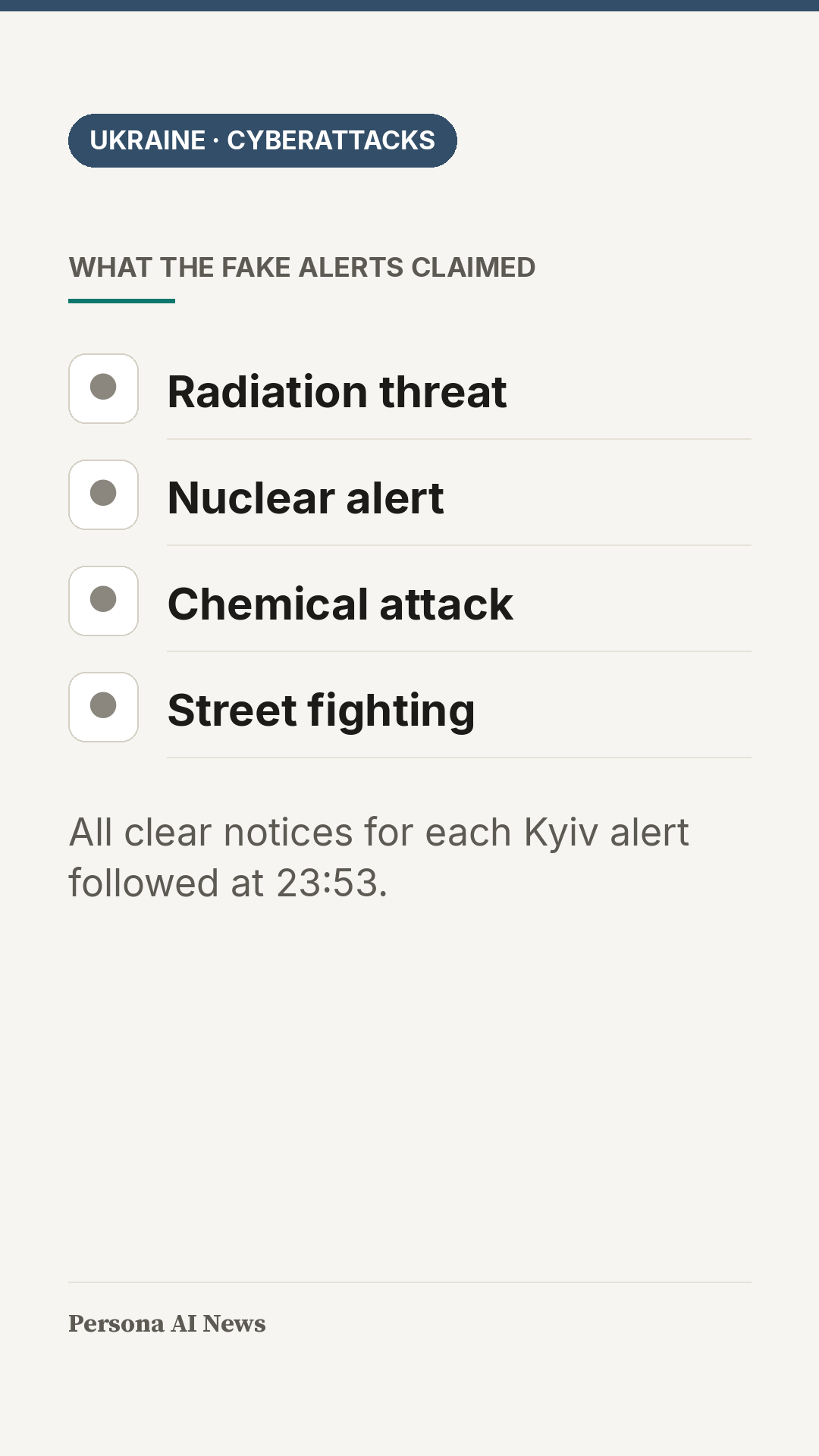
Precise, well-sourced account that openly flags unproven attribution and missing data, but the solution element is limited to brief fallback advice and a temporary shutdown.
The text gives exact times, places and sources, and it clearly says what is unproven: who carried out the hacks, how many users were affected, and when repairs will come. It also names practical alternatives for the public, such as phone notifications, sirens and official sources, plus the temporary shutdown of the app. What keeps the score from rising is that these responses are thin: there is no explanation of how apps could be better secured or how trust will be restored. More detail on concrete safeguards or lessons learned would raise the score.
AI assessment by fixed criteria. How we score →