Leak Site Publishes Details of Homeland Security Employees
Details on more than 40,000 employees of the US Department of Homeland Security (DHS), the federal agency that runs immigration enforcement and border control, were published online on Wednesday, DW reported on 29 October. Distributed Denial of Secrets, a nonprofit leak website, released the data, which includes officials in surveillance, intelligence and undercover work. The agency said it was aware of a potential breach.
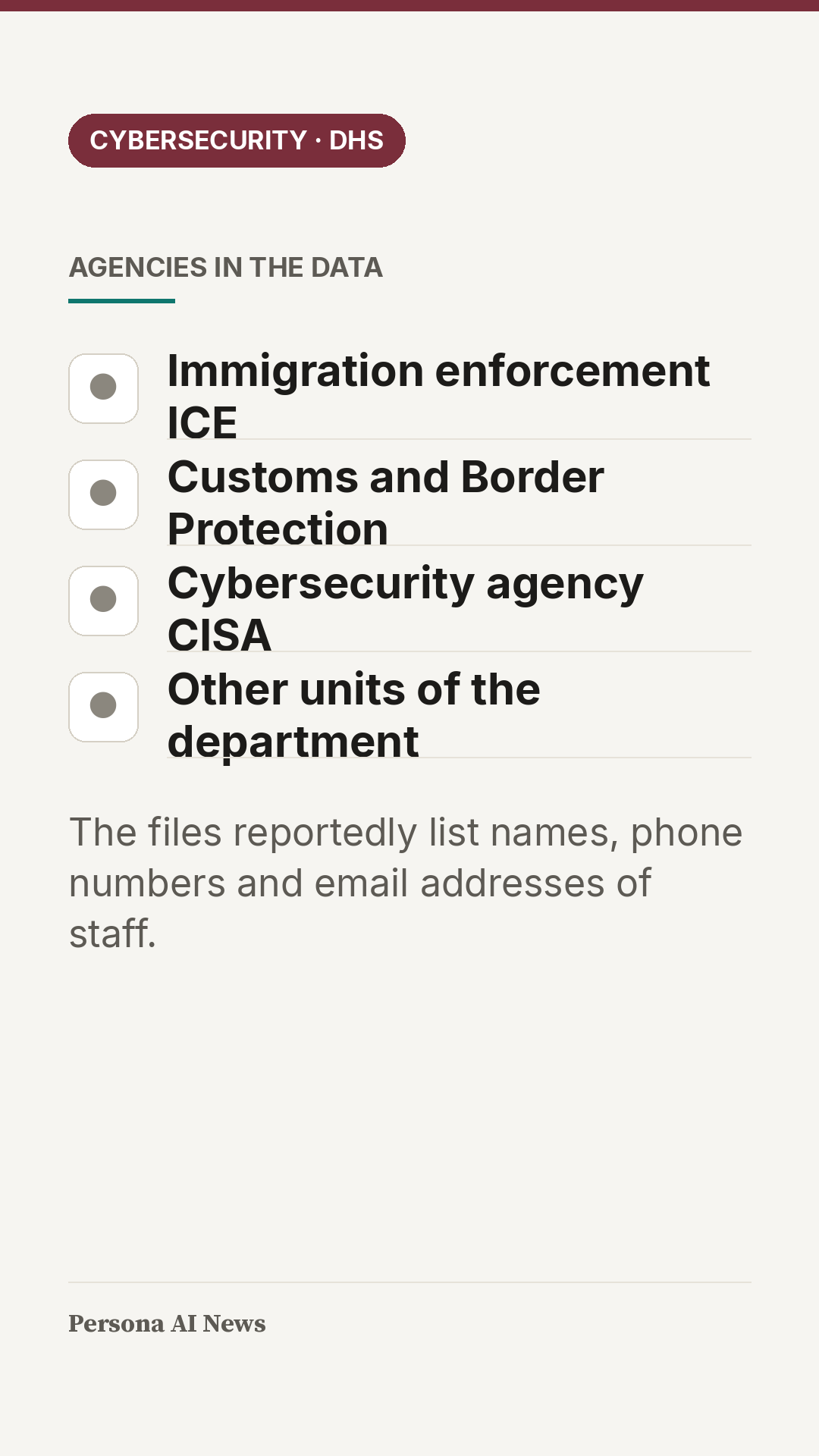
Distributed Denial of Secrets said the files came from a group calling itself "Department of Peace". They reportedly list names, phone numbers and email addresses of staff at Immigration and Customs Enforcement, Customs and Border Protection, the cybersecurity agency CISA and other units of the department. The group added an online search tool; co-founder Emma Best said it would "replace anonymity with accountability". It is the third major federal leak in a month, after hackers claimed data on thousands of FBI employees in September.
How accurate the data is remains unclear: Reuters called only three employees listed and confirmed their phone numbers and other details. DHS speaks of a "potential breach" and has not said how the data was taken. Who is behind the name "Department of Peace" is not known, nor whether exposed undercover officers face risks.
The department said it would publish further updates when more information becomes available, without naming a date. Emma Best said the search tool is meant to aid journalists and congressional oversight; whether lawmakers in Congress take up the case is not yet known.
The cards of this story
from the video, click to enlarge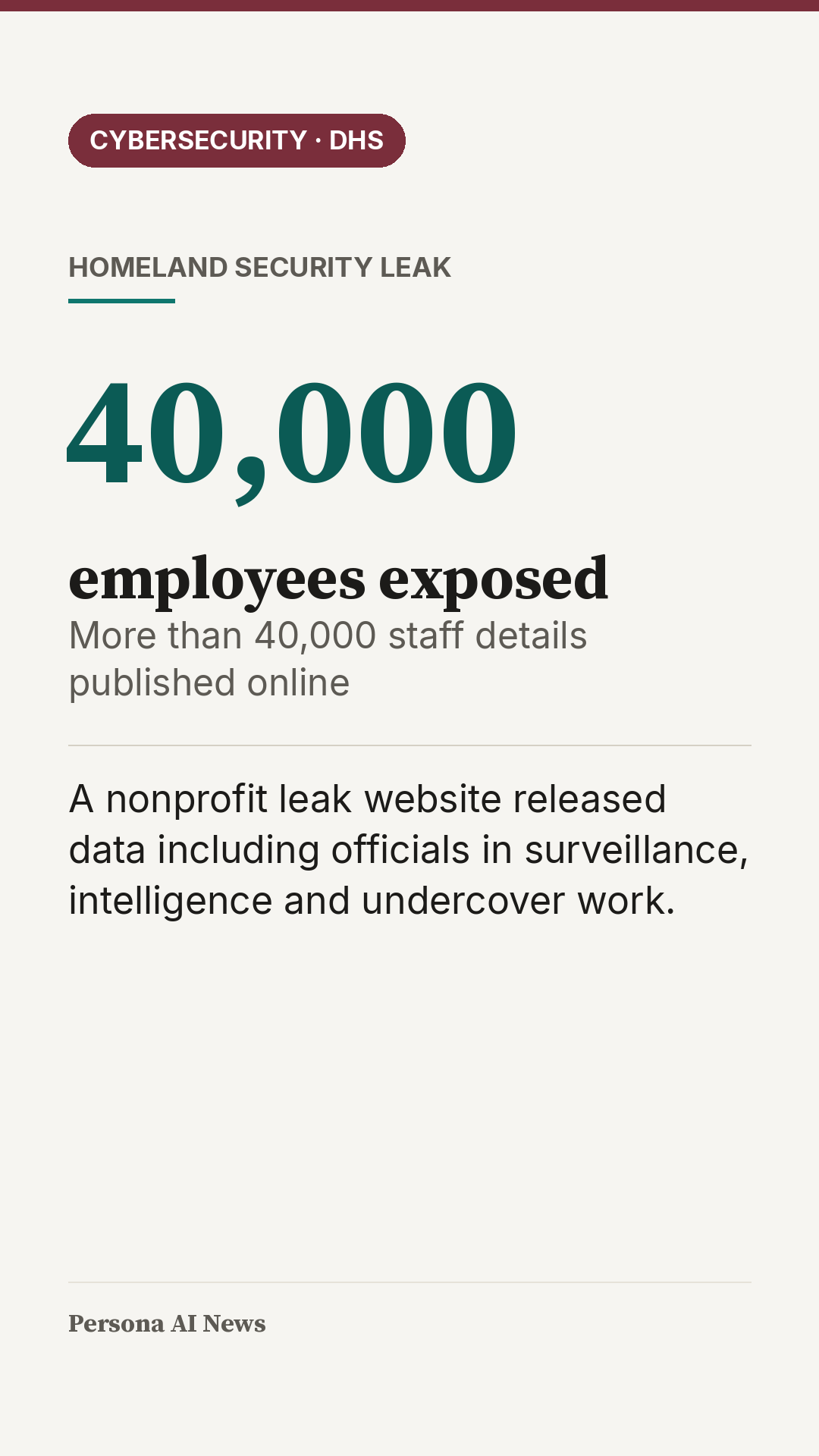
A factual, sober report on a data leak that names sources and openly states uncertainties, but it offers no real solution or progress beyond a vague promise of updates.
The text is precise and measured. It attributes claims to named sources, such as Reuters, DW and Emma Best, and it openly says that the accuracy of the data, the identity of the leakers and the risk to undercover officers are unknown. What it lacks is a constructive element: there are no protective measures, no expert advice on how to respond and no examples of how similar breaches were handled. The score would rise with concrete steps by DHS, security experts' assessments or a clear account of how affected staff are being protected.
AI assessment by fixed criteria. How we score →