Judge Rejects Bid to Set Aside California Mail Ballots
Mail ballots from roughly 20,000 Californians whom the Trump administration calls noncitizens do not have to be set aside, a federal judge ruled on Wednesday, 28 October. California has more than 23 million registered voters. Judge David Carter found that the request violated long-standing constitutional principles giving states authority over their own elections. It came from the Justice Department days before the midterm elections for Congress.
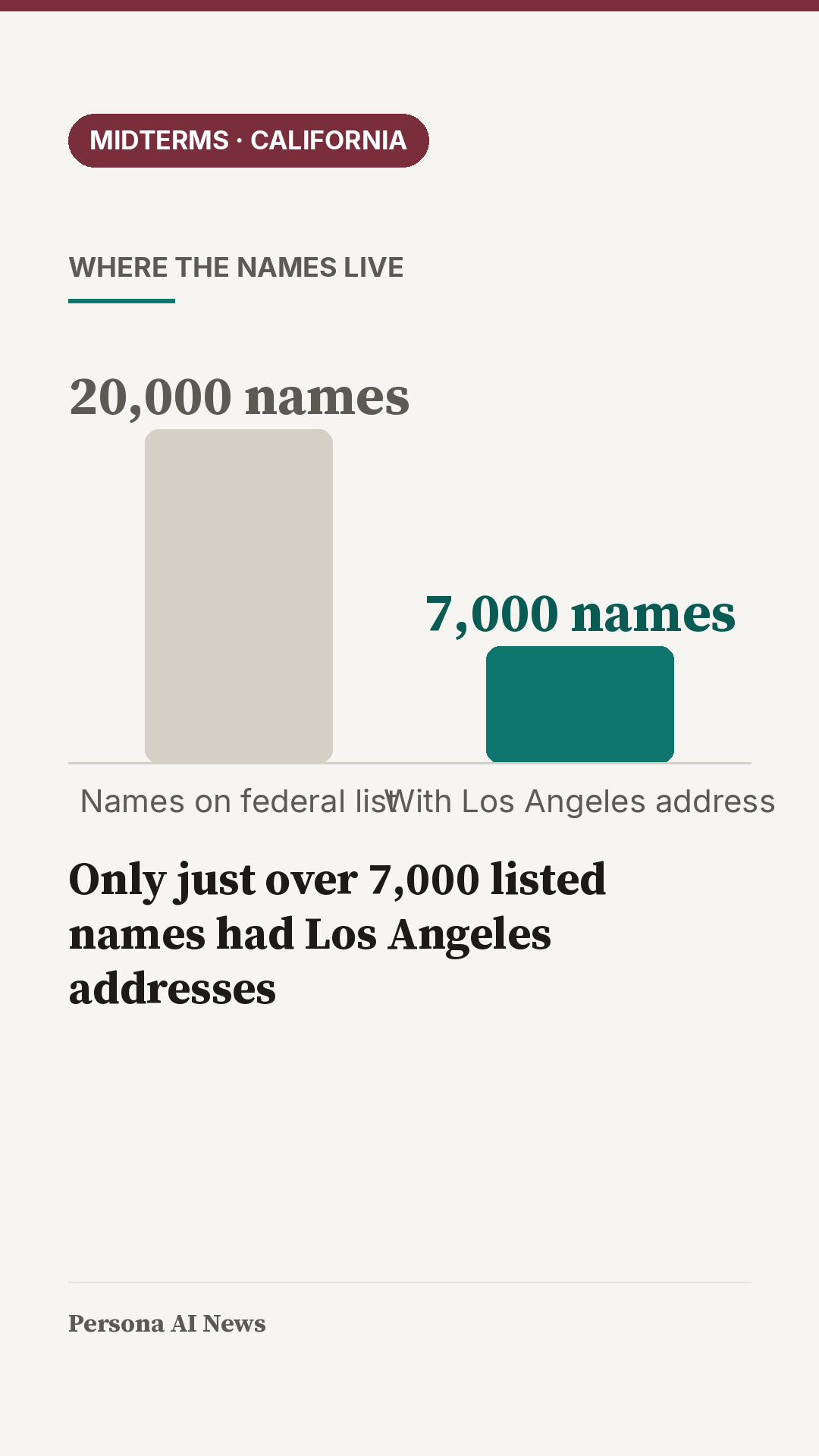
In a 26-page decision, Carter called the government's method for building its list "vague" and said he could not conclude the process was "credible." The Justice Department had sued California's secretary of state, Shirley Weber, and Los Angeles County's registrar, Dean Logan, earlier this month, after giving officials 48 hours to review the list. It wanted those ballots left uncounted until citizenship was confirmed. Lawyers for the county said only just over 7,000 of the names had addresses there. Carter suggested prosecutors could pursue indictments after the election instead.
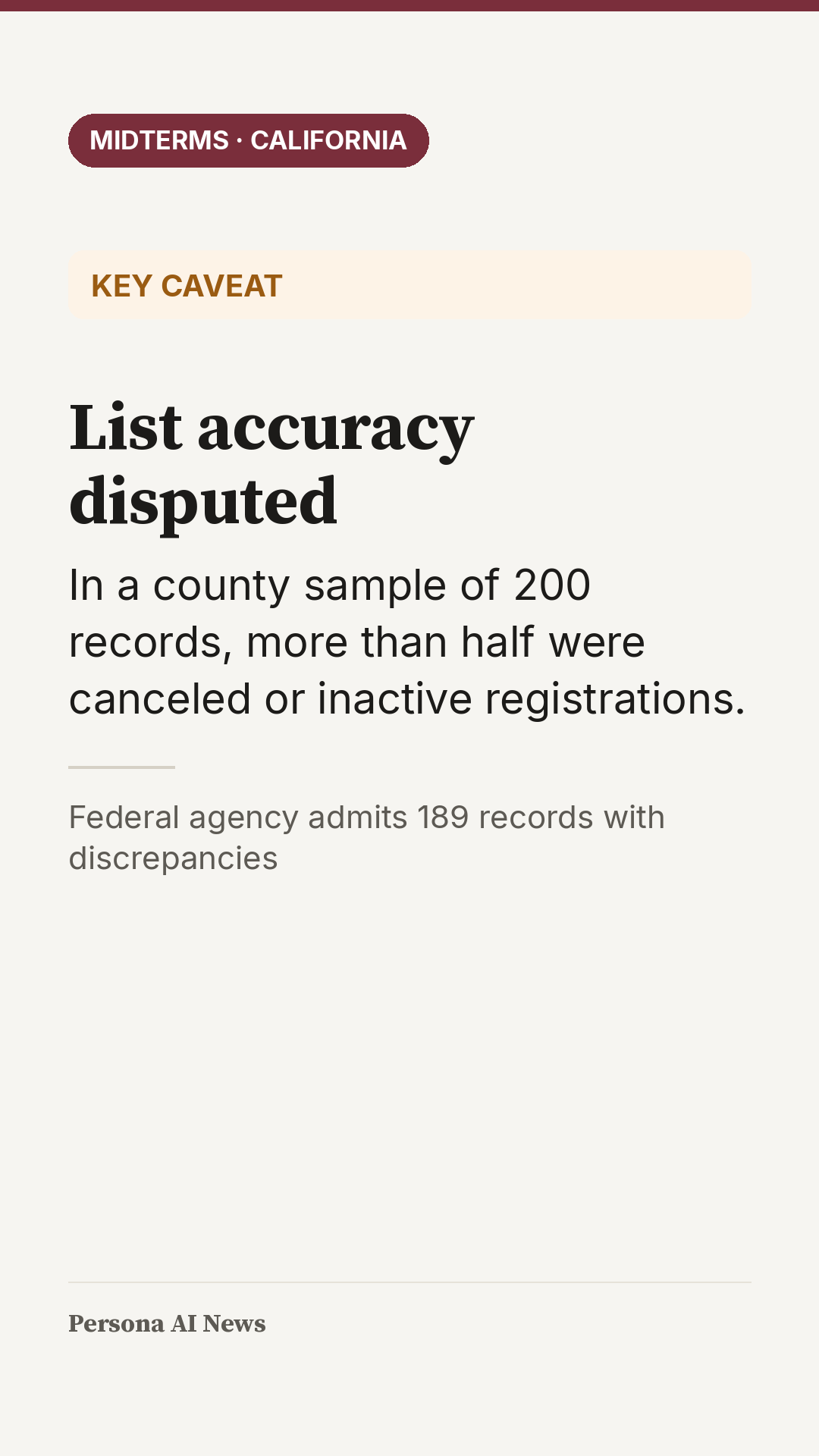
How accurate the list is remains disputed. Los Angeles County checked a sample of 200 records: more than half were canceled or inactive registrations, and just over 38 percent listed a U.S. birthplace. An immigration agency official said none of them were born in the U.S., but acknowledged roughly 189 records on the full list had "minor data discrepancies."
The Justice Department plans to appeal and seek an emergency order from the 9th Circuit appeals court, which covers California. On Monday, that court ruled 2 to 1 that the department had not given Carter "adequate opportunity" to decide first. The midterm vote ends on November 3.
The cards of this story
from the video, click to enlarge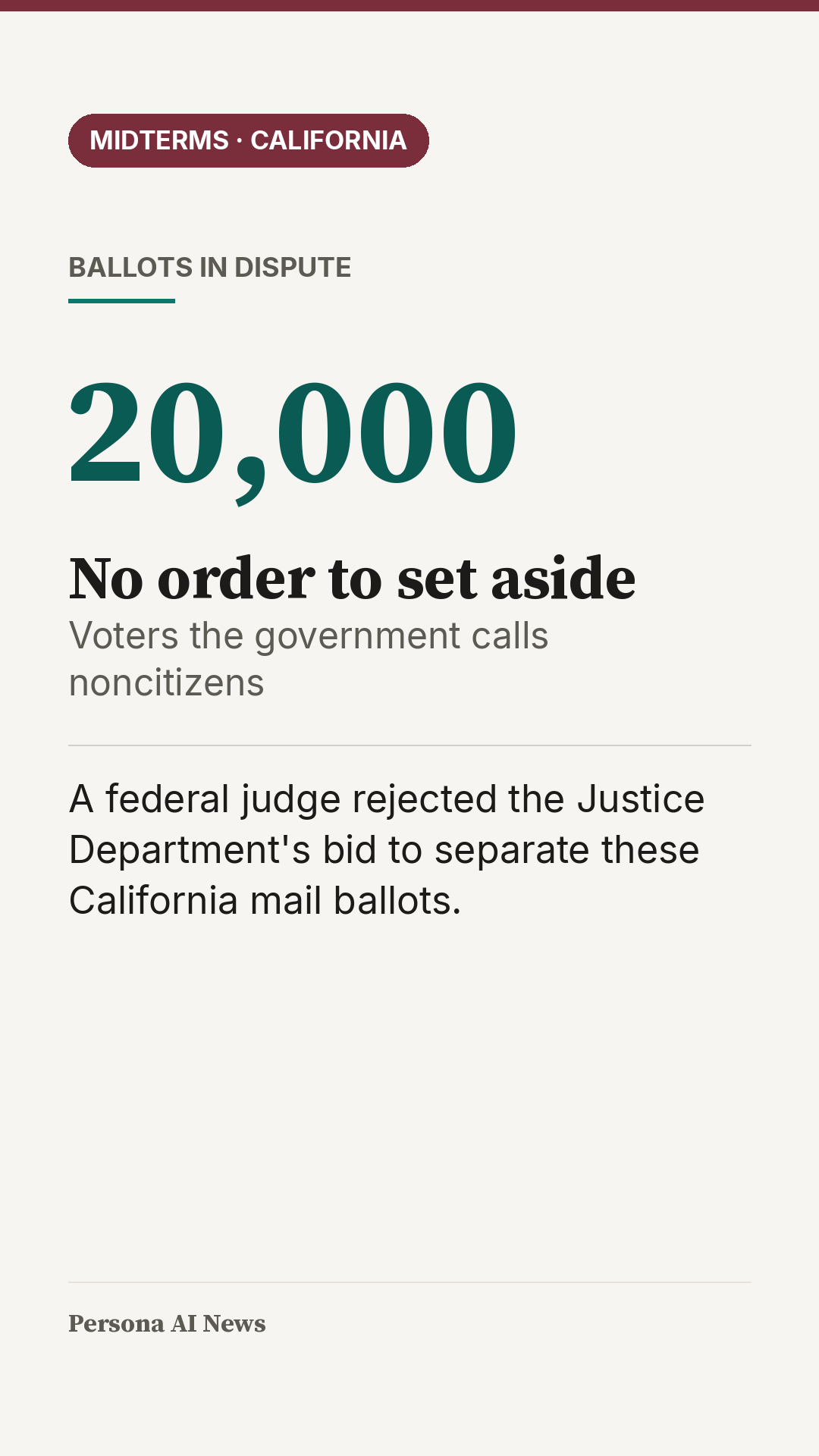
A factual, well-sourced court report that shows legal safeguards working, but it offers no real solution and mainly describes an ongoing dispute.
The text is sober and backed by concrete figures: the 26-page ruling, the sample of 200 records, and the roughly 189 data discrepancies. It also admits that the list's accuracy is still disputed and that an appeal is coming. What it lacks is a constructive angle, such as how election officials can verify citizenship reliably or how the dispute might be resolved. The score would rise with context on proven verification methods and what safeguards protect eligible voters.
AI assessment by fixed criteria. How we score →